|
|
|
|

History
and Geography
 Location, community, and access to information affect
breast cancer awareness
Location, community, and access to
information can strongly affect breast cancer awareness because people living
in different communities may have different opportunities to receive health
information and access healthcare services.Access
to reliable information is important because it helps people understand the
signs and symptoms of breast cancer, recognise
changes in their breasts, understand risk factors, and know when they should
seek medical advice.
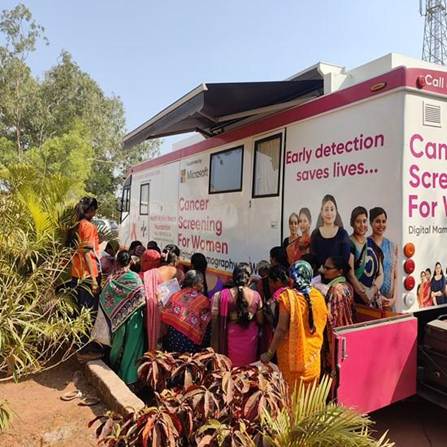
People in urban areas may have easier
access to hospitals, screening centres, the internet,
and breast cancer awareness programmes, while people
in rural areas may have fewer healthcare facilities, longer travel distances,
and fewer awareness programmes. The availability of programmes such as community talks, posters, television,
social media, and health-worker outreach can turn scientific knowledge into
action by teaching people how to recognise possible
symptoms and encouraging them to seek medical advice early. Early detection is
important because finding breast cancer at an earlier stage can make treatment
more effective and improve the chances of successful outcomes. Differences
between places, such as education, income, transportation, culture, and access
to healthcare, can therefore influence whether people
are able to act on the scientific information they receive. The WHO highlights
the importance of public education and early detection, showing how scientific
knowledge can be shared with communities to increase awareness and encourage
people to take action when they notice possible signs
of breast cancer.
 The
Evolution of Public Awareness and Healthcare Barriers
Public health campaigns have changed a
lot over time. In the past information spread slowly through posters, radio and
word of mouth. Today digital technology and social media let health messages
reach millions quickly. This makes it easier to share information about
prevention. It also means people need to be careful. They must check that the
information they read comes from scientific sources. This helps avoid spreading
misinformation.
Still big differences exist when it comes
to health awareness. Where someone lives how money they make and their level of
education all affect what they know. People in cities usually have access to
screening centers and reliable internet. Those in areas often struggle with
long travel distances, fewer clinics and fewer outreach programs. Public
education efforts are essential. They help turn knowledge into early action
saving lives.
Institutional Support and Global Advocacy
Better survival rates depend on teamwork.
Governments, schools and local communities all play a role. They work with
frameworks like the World Health Organization (WHO) Global Breast Cancer
Initiative.
Governments lead by funding campaigns and
sending mobile mammography vans into underserved areas. Schools and
universities help by teaching breast health lessons. This builds awareness
early. Reduces stigma.
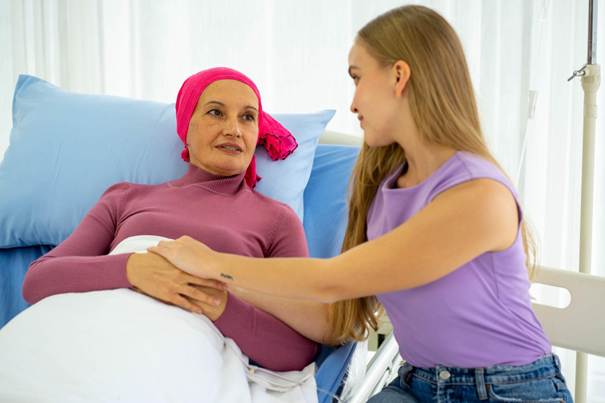
Local communities take care of patients
every day. People volunteer to drive someone to treatment host support groups
or collect comfort items. These actions make a difference in patient care.
On a day like International Breast Cancer
Awareness Day, October 19 each year helps focus attention on early detection
and fair access to care. This day helps break down stigma encourages check-ups
and increases access to advanced treatments like customized post-mastectomy
breast reconstruction.
Conclusion on Care and Wellbeing
Detection is the most important step in
making treatment work. When someone in your life has cancer, the best things
you can do are listen to help with tasks and respect their choices. Supporting
a loved one with cancer is not easy. Caregivers must also take care of
themselves. They need to manage stress and reach out to trusted people for
support. Taking care of your wellbeing is just as important as taking care of
someone else.